



ISO 9606-1: how long is your welding certificate valid?
The validity of an ISO 9606-1 certificate depends on your revalidation method and the six-monthly confirmation. Here is what you need to know about A, B and C.
ISO 9606-1 validity: two checks
You cannot tell the validity of a welding certificate from the expiry date alone. With ISO 9606-1, the six-monthly confirmation and the chosen revalidation method both play a role.
ISO 9606-1 covers the qualification of welders for fusion welding of steel. The certificate states not only which work you are qualified for, but also how you keep the qualification valid.
So before starting an assignment, check both the qualification range and the status of your documents. A suitable welding process on paper is not enough if the required confirmation is missing.
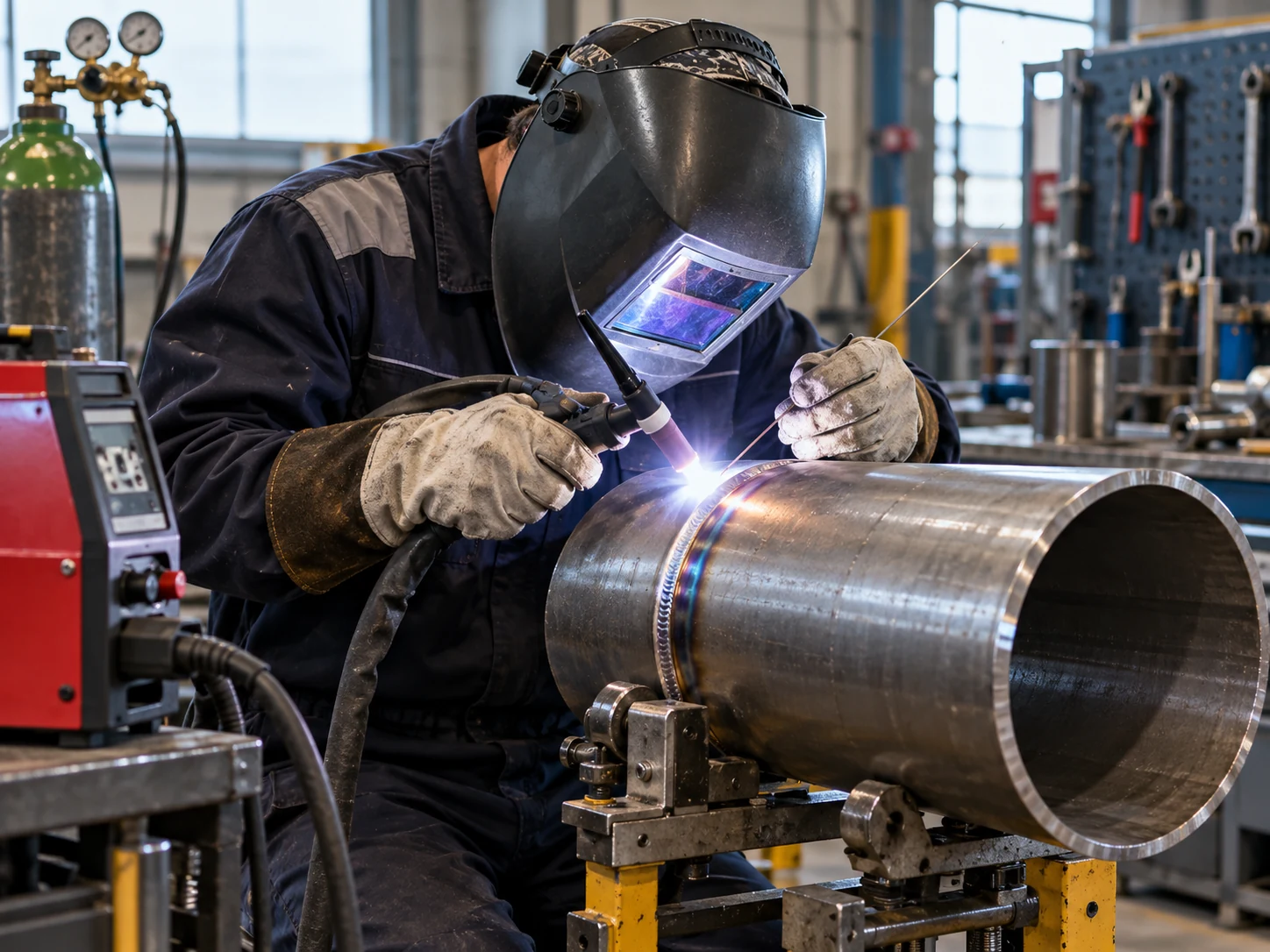
Three methods to continue your qualification
A new test
3 yearsWith this route, the welder is retested every three years. In addition, keep track of the six-monthly confirmations.
Substantiated revalidation
2 yearsTwo suitable welds from the last six months are tested. The required test results and records are part of the assessment.
Continuation under conditions
ConditionsThis route is linked to the same manufacturer, a verified quality system according to ISO 3834-2 or -3 and demonstrably acceptable welding performance.
Which method determines your ISO 9606-1 validity?
You do not choose afterwards whichever route happens to be easiest at the time. First look up the method stated on your certificate. Then plan the next confirmation and the next revalidation.
Agree the planning with the person who assesses your qualification. That way you know in good time which welding records or tests are needed.
What do you record for the confirmation?
The six-monthly confirmation concerns the continuation of relevant welding work within your qualification range. Agree with the responsible person which information must be available for this.
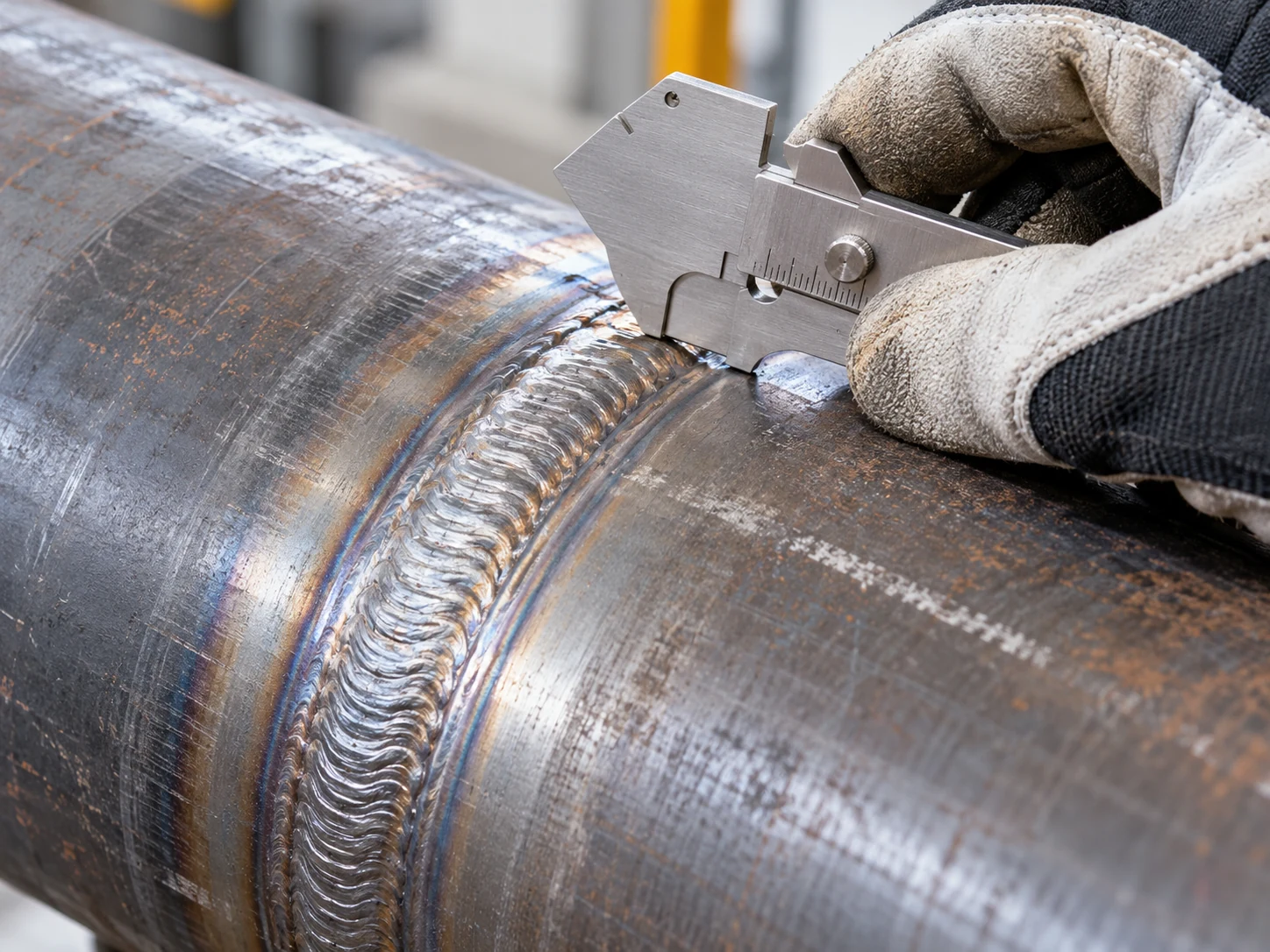
For example, keep the project details and records that allow your welding work to be traced. Method B also requires the prescribed testing and assessment. A photo of a weld does not replace that testing. Also see how you assess the range of a combination welding certificate 141 for your work.
Extra attention for pressure equipment
Will you be working on pressure equipment? Mention this in your application. For PED categories II, III and IV, method 9.3 c) is not the permitted route according to the link in EN ISO 9606-1. With A or B, the required approvals must also be in order.
A certificate stating method B is therefore not in itself proof that you meet all the requirements of a specific PED assignment. Have the certificate and the project requirements assessed together.
Check your welding certificate before the job
- Range: does the qualification match the required process and joint?
- Confirmation: are the required six-monthly records available?
- Next step: which method is stated and what do you need to prepare?
- Assignment: are there additional requirements, such as PED approval?
Information missing? Have the status assessed first. Via ISO 9606 certificates at Sombroek W.E. you can discuss your situation.
Questions about ISO 9606-1 validity
Is every welding certificate valid for two years?
No. Check the revalidation method on your certificate. Methods A, B and C have different conditions. The six-monthly confirmation also remains relevant.
What happens if I change employer?
Have your certificate reassessed for the new situation. Especially with method C, the link to the same manufacturer is important. Do not assume that this route simply continues.
Can I make any fillet weld with a valid qualification?
Validity and qualification range are different things. Also read how to qualify a fillet weld and check the coverage of your joint.

Marnix Sombroek
Specialist in welding coordination, weld inspection and welder qualifications
- IWT
- IWI-C
- VT-3
Marnix is your point of contact at Sombroek W.E. for questions about welding technology, inspection and qualifications. In this article he connects the requirements of the standard with the choices you make in the workshop. For advice on your situation, always discuss your work, certificate and project requirements.
Sources and accountability
Based on the practical information “Did you know” from Sombroek W.E., supplemented with the explanation of the standard below.
- NEN-EN-ISO 9606-1:2017: scope.
- TWI: confirmation and revalidation methods.
- TDT: link between revalidation methods and the PED.
This explanation is not an individual proof of qualification. Your issued certificate, the applicable edition of the standard and the project requirements are decisive.
The specialisms and qualifications mentioned correspond to the company information of Sombroek W.E. Source links marked ↗ open in a new tab.