


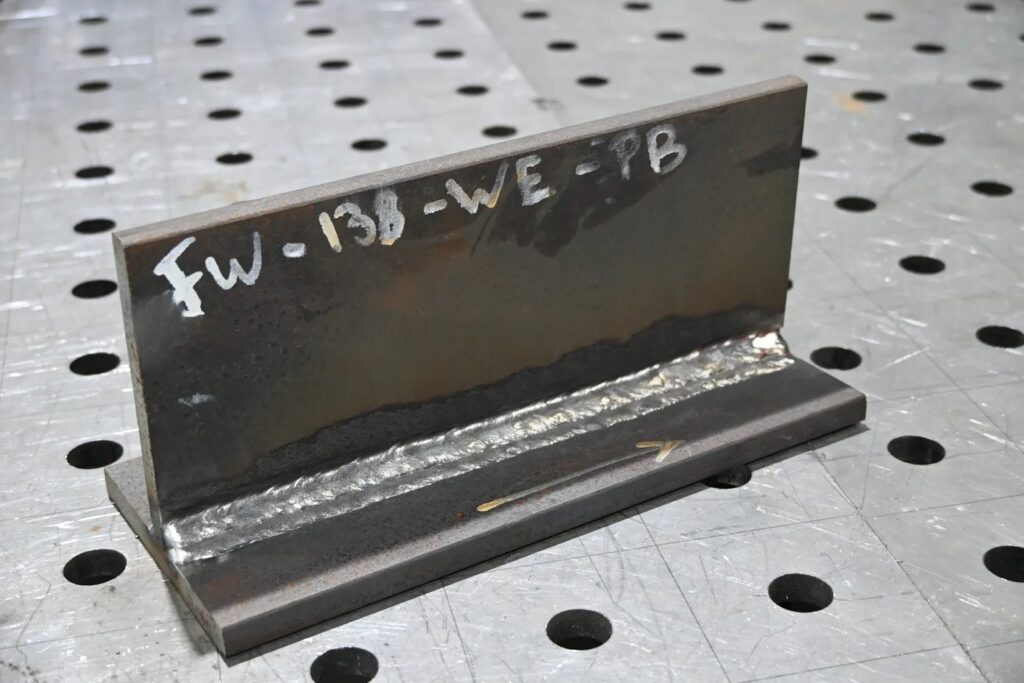
ISO 5817: quality levels B, C and D explained
What does ‘welding to ISO 5817 level C’ mean? We explain quality levels B, C and D, with examples and the link to EN 1090.

What does ‘welding to ISO 5817 level C’ mean? We explain quality levels B, C and D, with examples and the link to EN 1090.
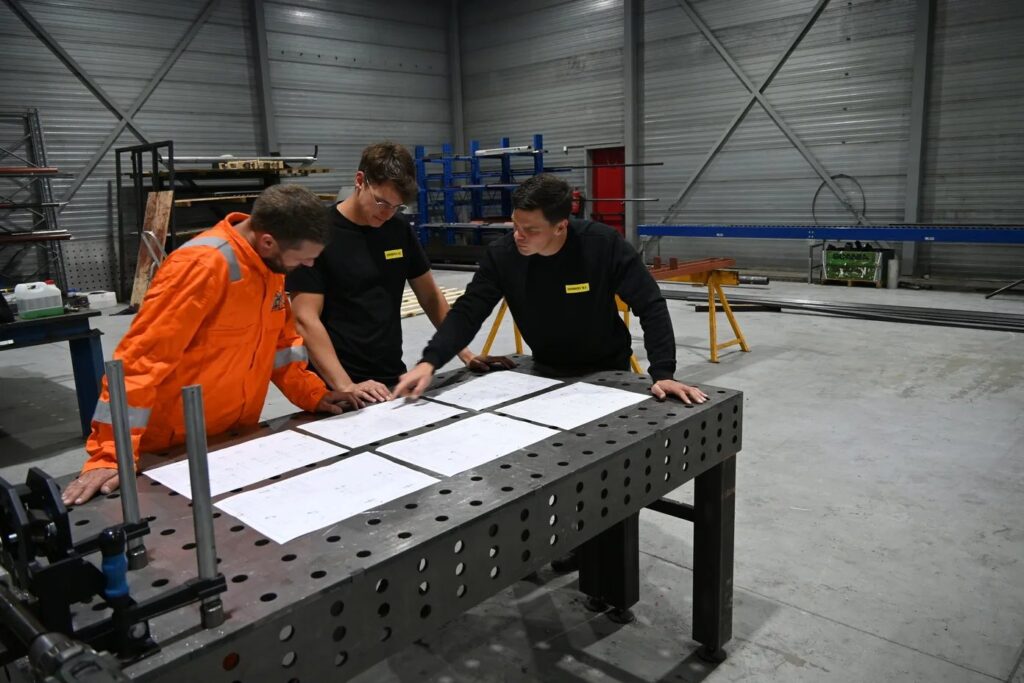
WPS, pWPS, WPQR and welder certificate are often confused. We explain the terms and when you need which one.
WPS, WPQR and welder qualification: what is the difference? Read More »
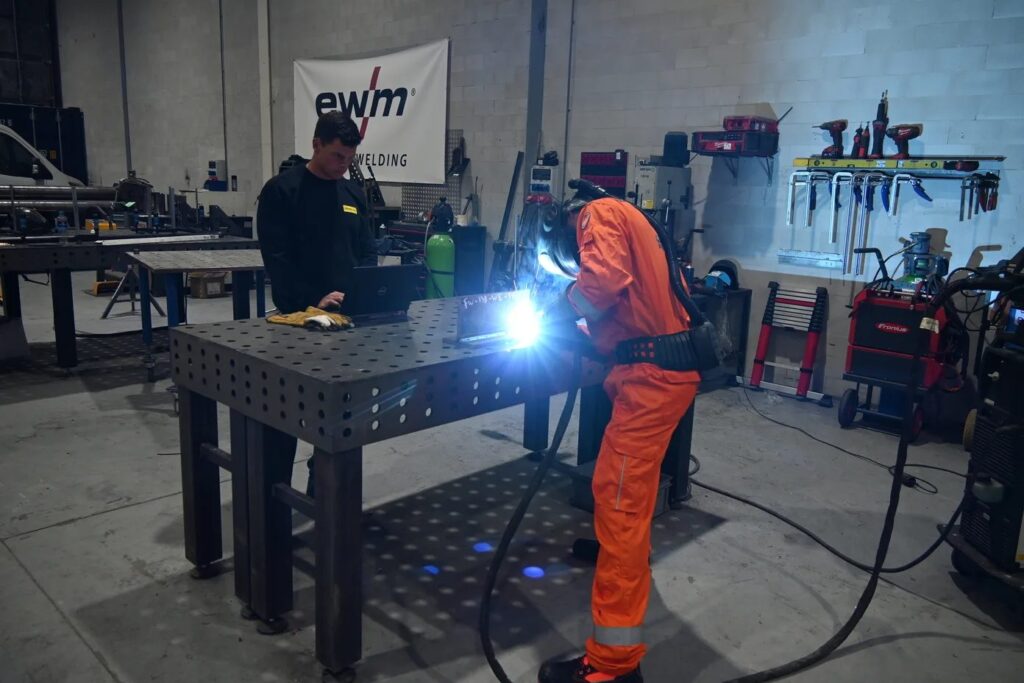
How does an ISO 9606-1 welding test work, what does the examiner look at and what can you do to pass first time? Eight practical tips.
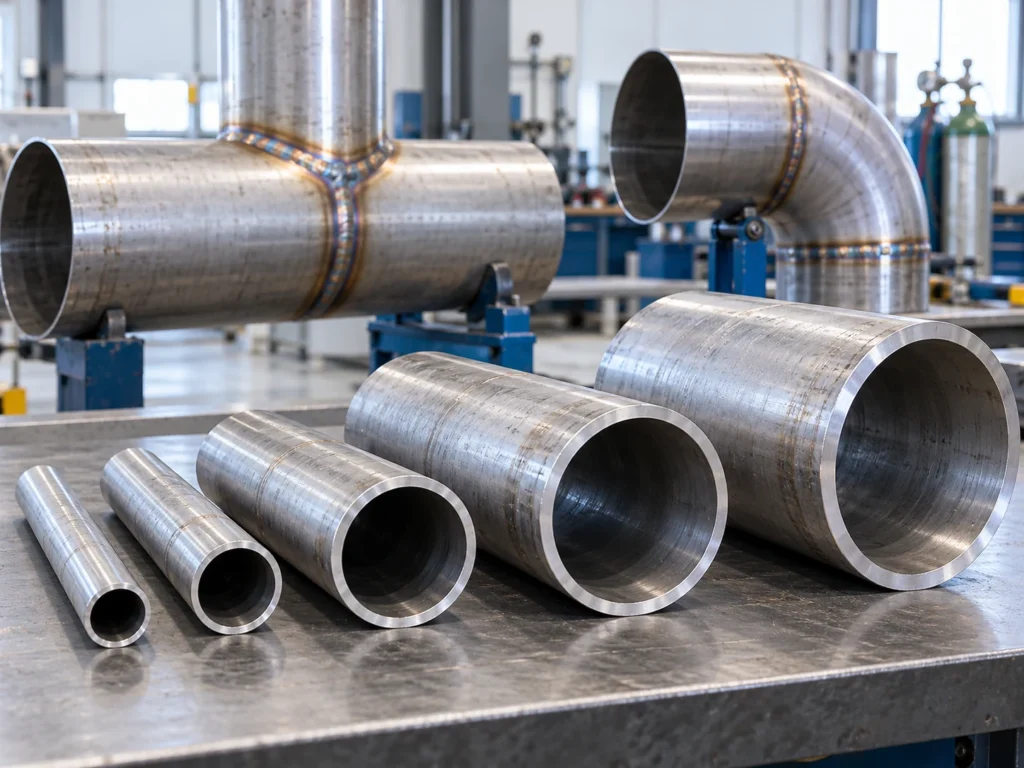
With a combination welding certificate 141 you match TIG test welds to your work. Compare three set-ups and find out how to check the range.
Combination welding certificate 141: which range suits your work? Read More »
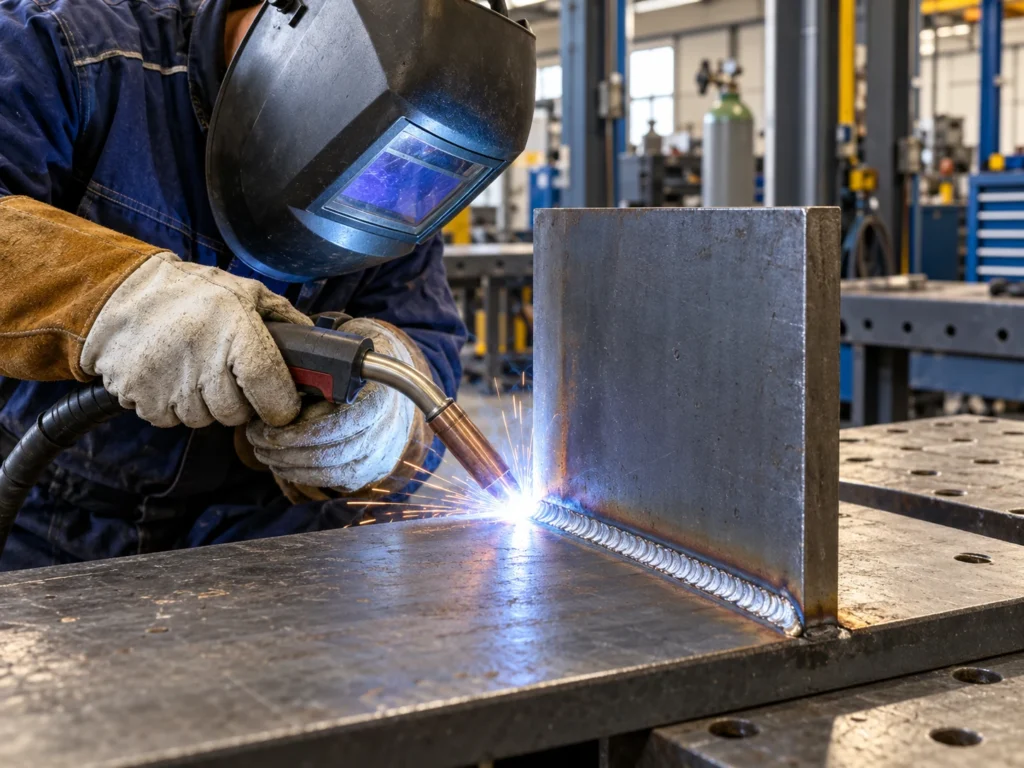
Need to qualify a fillet weld? Discover the difference between ISO 9606-1 and ASME IX and when you need an additional test.
Qualifying a fillet weld: ISO 9606-1 or ASME IX? Read More »
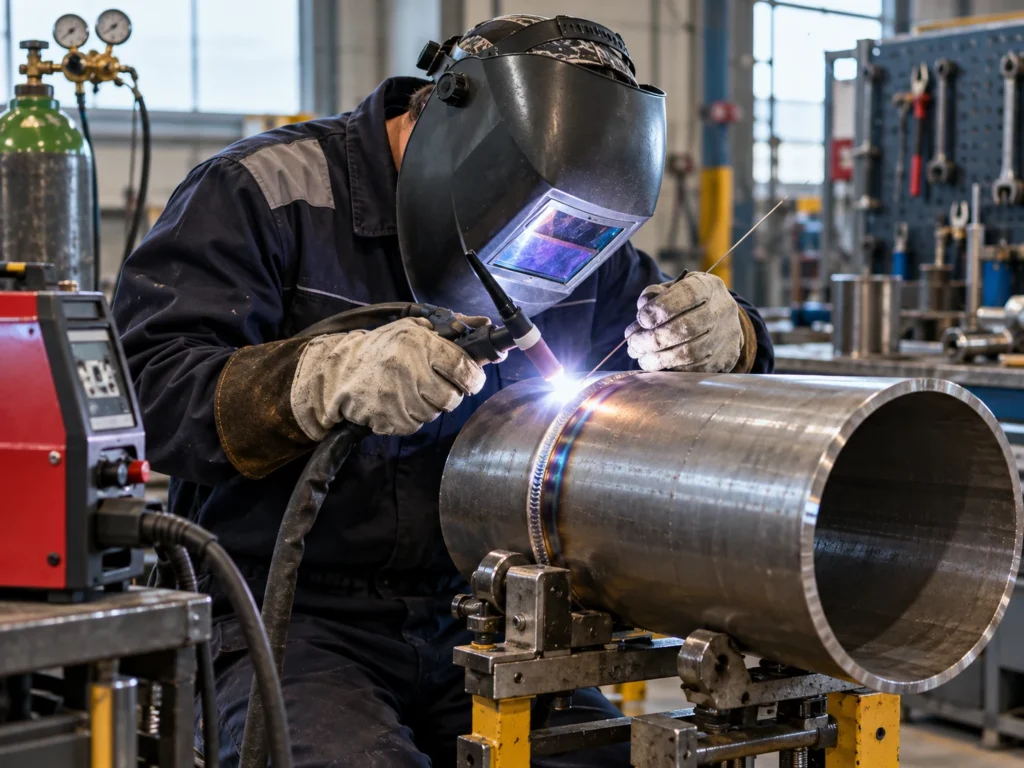
Three methods, different conditions. Find out what ISO 9606-1 validity means for you and which moments you need to watch.
ISO 9606-1: how long is your welding certificate valid? Read More »
We use necessary cookies to make the website work. With your consent, we also measure how the website is used (Google Analytics) and how our ads perform (Google Ads and LinkedIn). You can change your choice at any time via ‘Cookie settings’ at the bottom of the page. Privacy policy