


Combination welding certificate 141: which range suits your work?
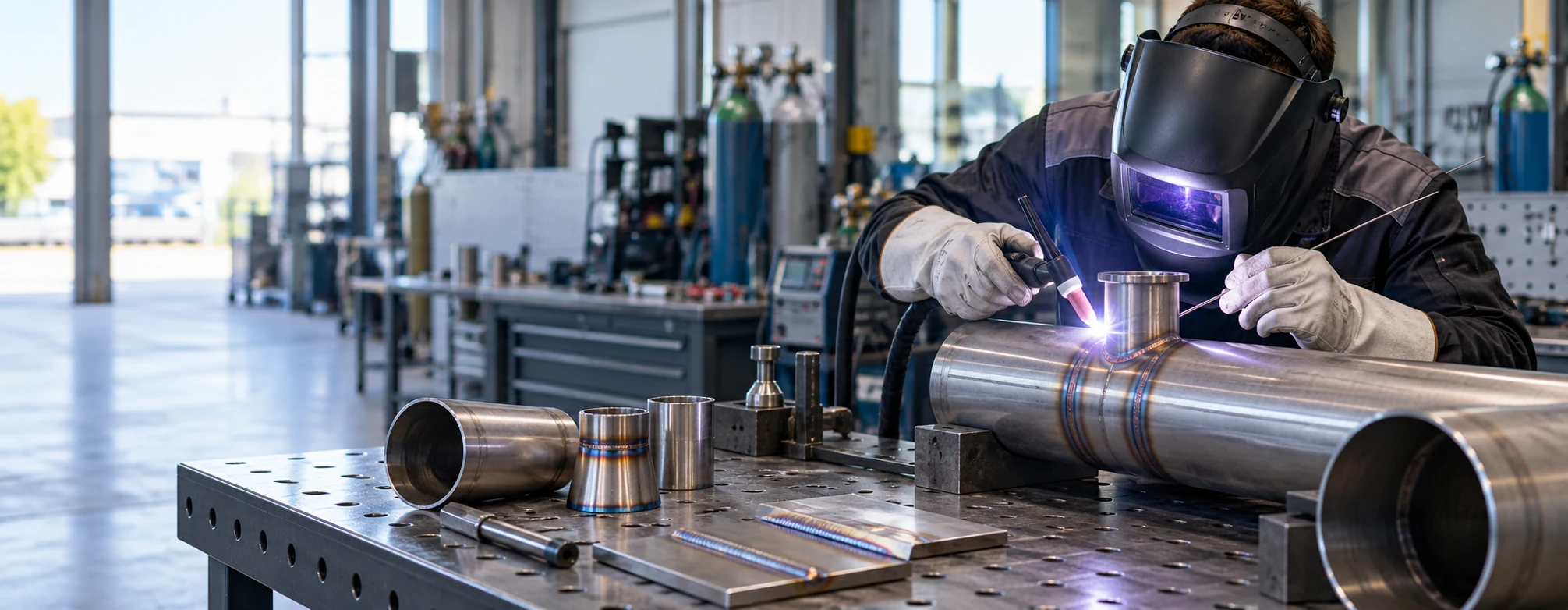
With a combination welding certificate 141 you match TIG test welds to your work. Compare three set-ups and find out how to check the range.
What does a combination welding certificate 141 give you?
With a combination welding certificate 141 you match different test pieces to each other. The aim is a useful range for your work, for example when you weld both small and larger pipes.
Below you will find three test set-ups from Sombroek W.E. for TIG welding, process 141. Each set-up includes an additional fillet weld test on 10 mm in position PB.
You combine test pieces within the same welding process. The name combination therefore does not automatically mean that you are also qualified for other welding processes or systems of standards.
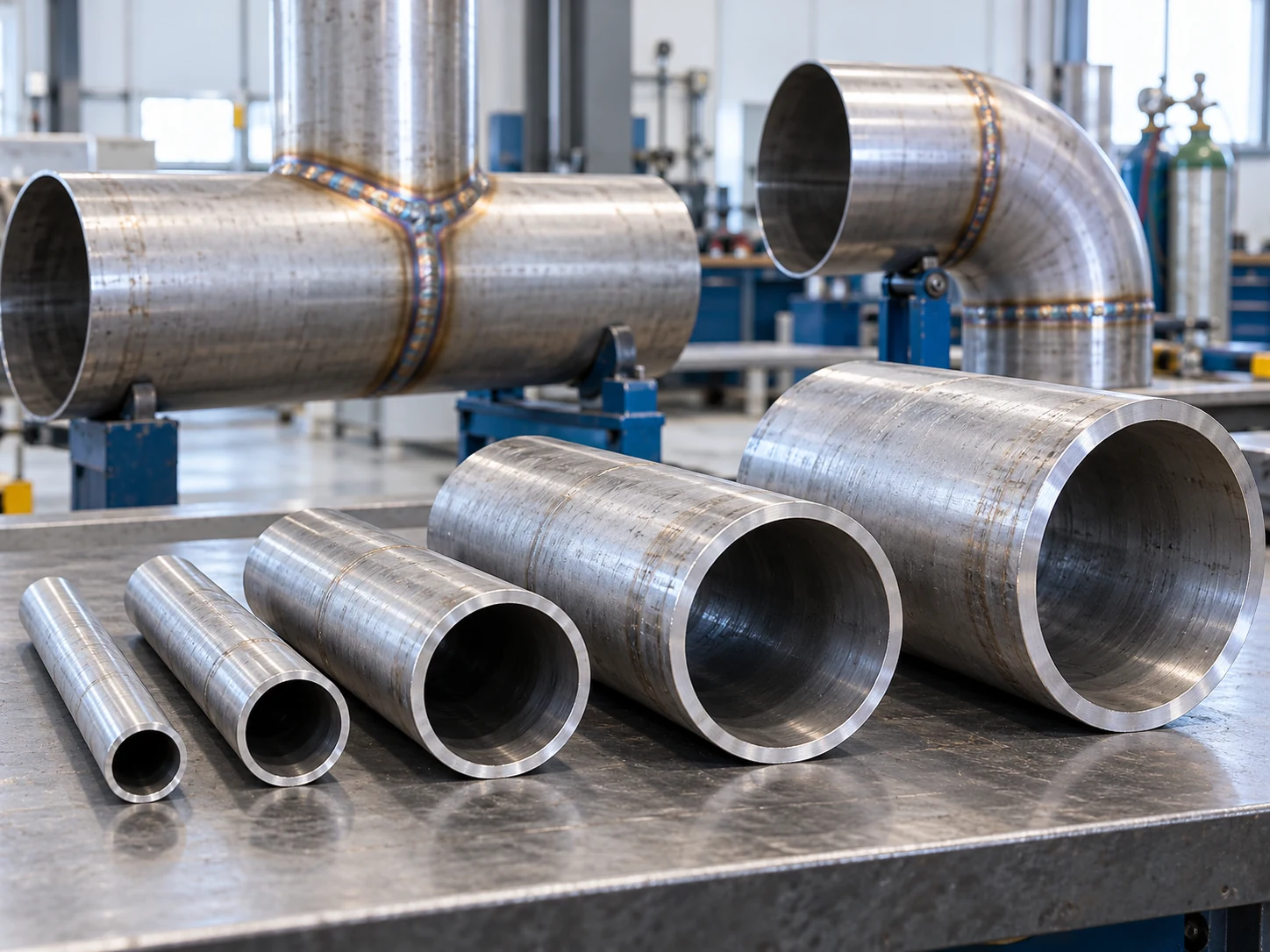
Three test set-ups side by side
Including a small diameter
Ø12 × 1 mm
+ Ø48,3 × 10 mm
For work with small pipes and larger diameters. Also have the connection between the individual ranges checked.
A different lower limit
Ø16 × 1,5 mm
+ Ø48,3 × 10 mm
For assignments in which the smaller pipe size of 16 mm is relevant. Compare the full qualification with the production dimensions.
Without the small pipe test
Ø48,3 × 10 mm
+ additional fillet weld test
For work for which the larger pipe test is sufficient. Check whether the range also covers your smallest production size.
Which small diameter do you really need?
A smaller pipe test is mainly worthwhile if you actually use that lower part of the range in practice. So compare the examples with your assignments, instead of automatically choosing the widest combination.
Make a list of the diameters and thicknesses from your assignments. Then have it assessed per size which test covers it. That way you can see whether a small pipe test is needed and whether there is a gap between the individual ranges.
A wide range is not unlimited
When assessing a combination welding certificate 141, more data counts than diameter and thickness. Also look at filler material, execution, welding positions and the client’s requirements.
In addition, test piece size and qualification range are different data. For butt welds, the deposited weld metal thickness is relevant for the thickness range. So always take the full qualification into account.
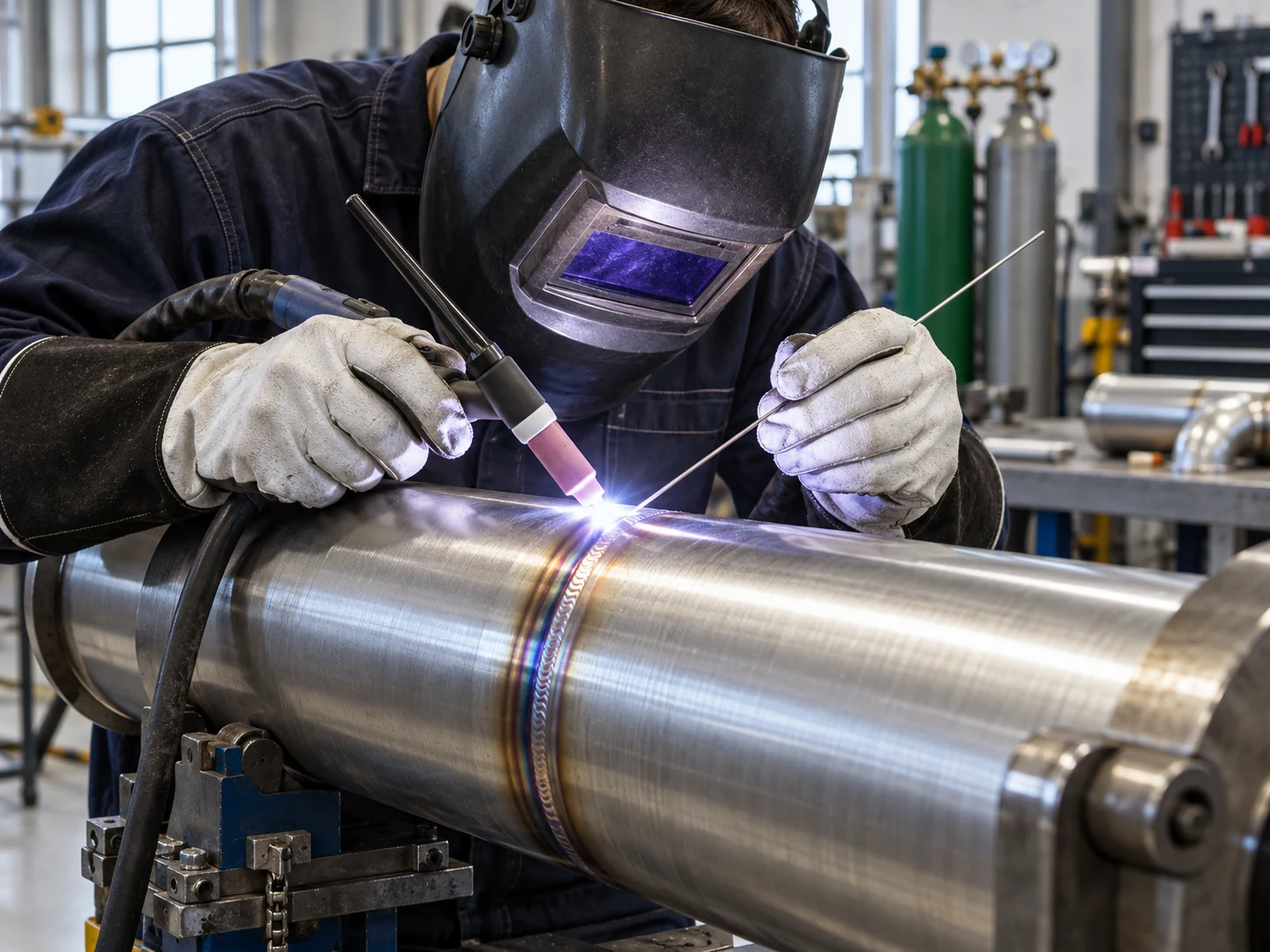
H-L045: check the recorded positions
H-L045 is mentioned in the test set-ups. Do not treat that designation as unlimited permission for every production position. Check which positions actually fall within the qualification.
Also read the fillet weld coverage separately. The material thickness range on your certificate is not the same as the throat thickness of a fillet weld. If in doubt, discuss the difference with the assessor.
Prepare your combination welding certificate 141 in a targeted way
- Collect dimensions: which diameters and thicknesses do you come across?
- Note the execution: which processes, filler materials and positions are needed?
- Include fillet welds: are they part of the same work?
- Discuss the test: which range does the chosen combination demonstrably give?
With that overview, Sombroek W.E. can discuss your question about ISO 9606 certificates in a targeted way. Then also keep track of the validity of your welding certificate.
Questions about combined qualifications
Is a combination certificate suitable for every material?
You cannot tell that from the dimensions alone. Have the full certificate data assessed before using the combination for a particular material.
Do I always need two pipe tests?
No. There is also a variant with only Ø48.3 × 10 mm and an additional fillet weld test. Whether that fits depends on the range you need.
Can I accept an assignment based on the cards?
Not without checking the other conditions. The cards show test set-ups, not fully assessed qualification ranges. The issued certificate and the project requirements remain decisive.

Marnix Sombroek
Specialist in welding coordination, weld inspection and welder qualifications
- IWT
- IWI-C
- VT-3
Marnix is your point of contact at Sombroek W.E. for questions about welding technology, inspection and qualifications. In this article he connects the requirements of the standard with the choices you make in the workshop. For advice on your situation, always discuss your work, certificate and project requirements.
Sources and accountability
The test piece dimensions and test positions come from the practical information “Did you know” from Sombroek W.E. The applicable standard and the issued certificate determine the qualification range.
- NEN-EN-ISO 9606-1:2017.
- TWI: qualification variables and weld metal thickness.
- Sombroek W.E.: LAS-ID and digital certificate management.
This explanation is not an individual proof of qualification. Your issued certificate, the applicable edition of the standard and the project requirements are decisive.
The specialisms and qualifications mentioned correspond to the company information of Sombroek W.E. Source links marked ↗ open in a new tab.