


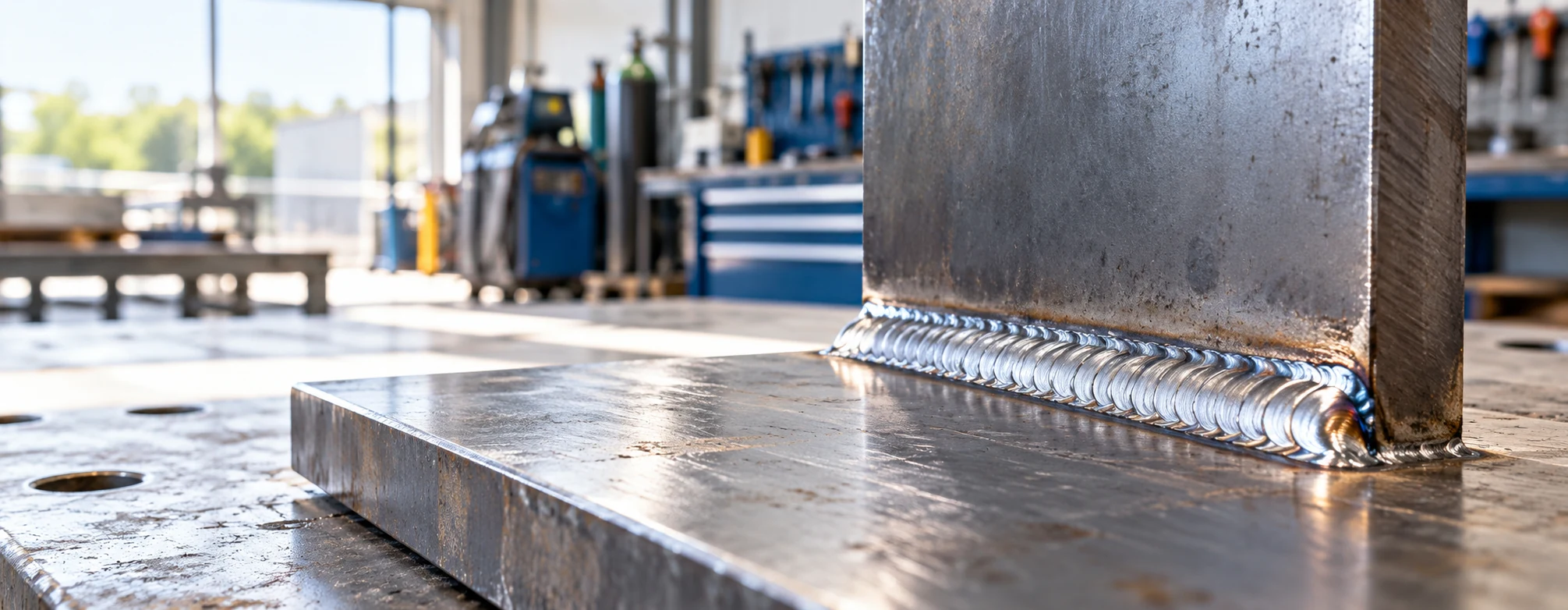
Qualifying a fillet weld: ISO 9606-1 or ASME IX?
Need to qualify a fillet weld? Discover the difference between ISO 9606-1 and ASME IX and when you need an additional test.
Qualifying a fillet weld: start with the standard
Want to qualify a fillet weld? Then do not only look at the test piece you welded. The standard used determines how the joint and the qualification range are assessed.
In ISO 9606-1, butt welds are referred to as butt welds (BW) and fillet welds as fillet welds (FW). In ASME IX you will also come across the term groove weld , among others. These terms tell you something about the qualification you need to check.
Do you make several joint types in production? Then include them when preparing your test, instead of only when the client asks for your documents.
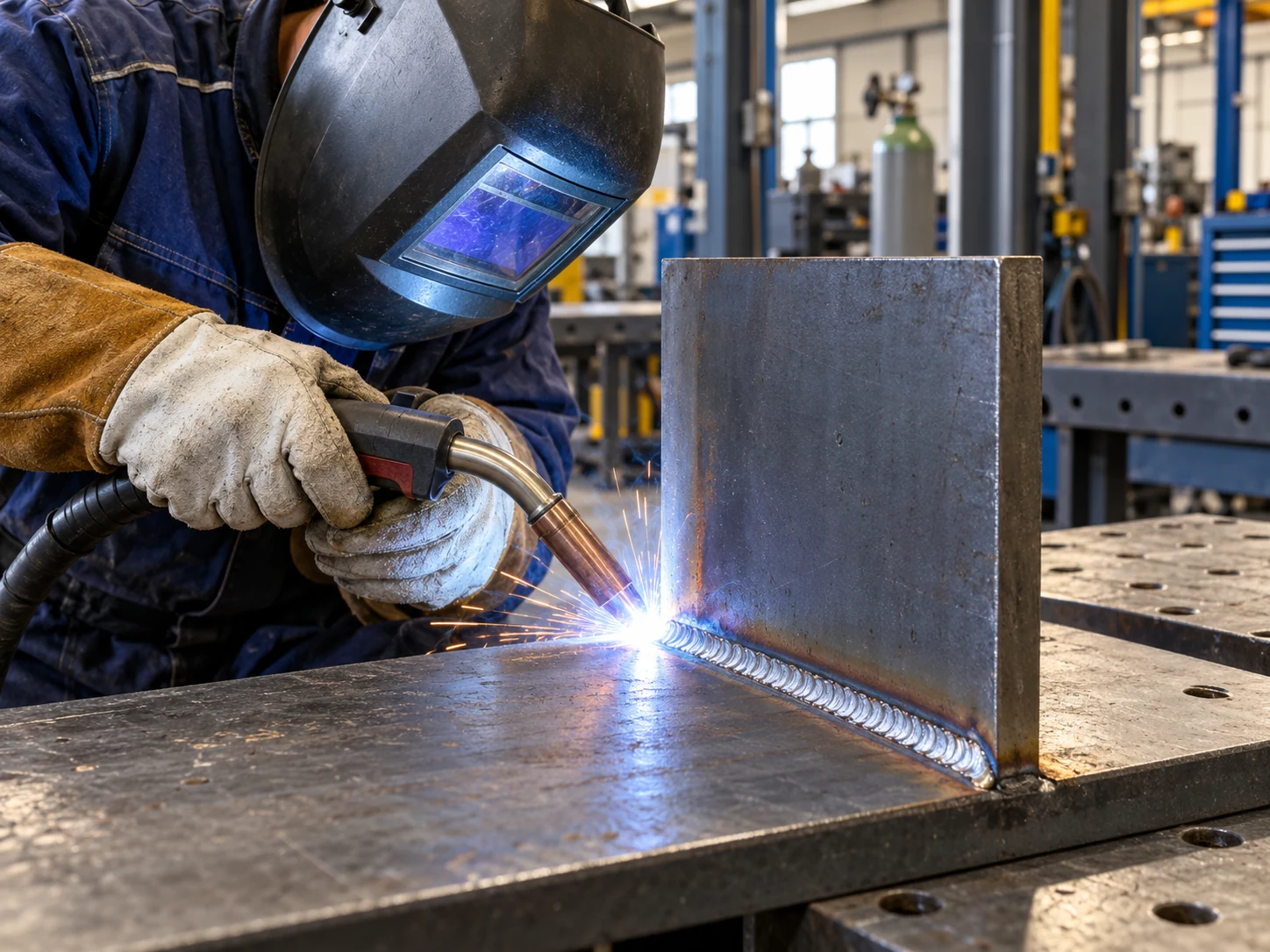
ISO 9606-1 and ASME IX side by side
Check fillet weld coverage separately
A butt weld test does not automatically qualify a fillet weld. An additional fillet weld test can be part of the qualification set-up.
So check whether FW has actually been included and which limits apply to the recorded range.
A groove weld test can also cover fillet welds
A successful groove weld test can qualify fillet welds within the applicable variables and position ranges. A fillet weld test alone does not give the reverse range for groove welds.
The test type is therefore a starting point, not the complete answer to checking your assignment.
Why pipe or plate is not the only question
A pipe or plate test does not in itself say which fillet welds you may make. Also look at the process, the filler material, the position and the execution of the joint.
So note the standard, the welding process and the joints from your assignment in advance. Then compare what is on your certificate. That way you avoid using a general rule of thumb as full project approval.
When is an additional fillet weld test useful?
An additional test is worth discussing if you make fillet welds as well as butt welds. That way your test set-up can match your production.
The examples from Sombroek W.E. use an additional fillet weld test on 10 mm in position PB. The qualification results from the test that was carried out and assessed, not just because a workpiece has a certain thickness.
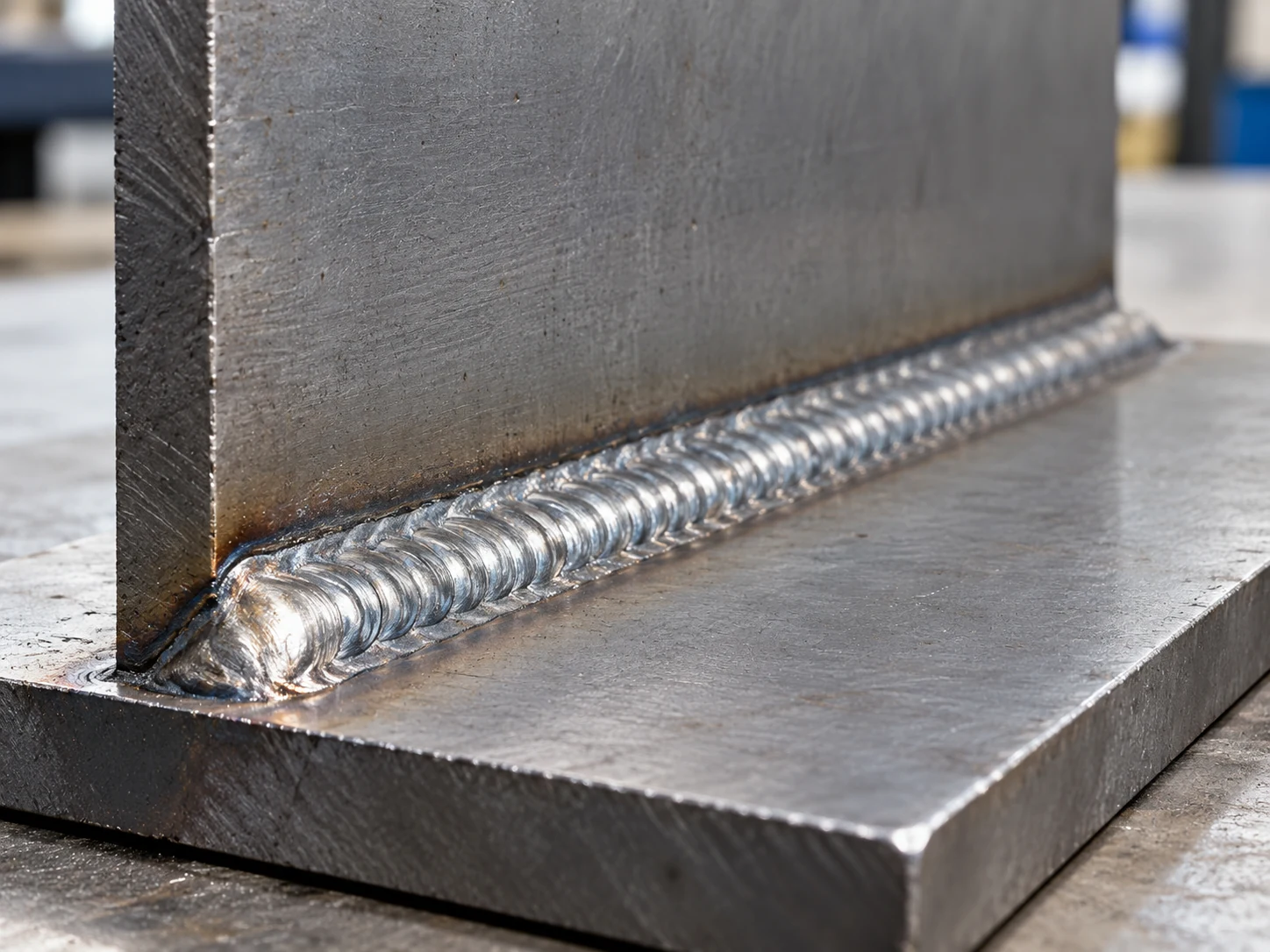
More than 10 mm does not automatically mean qualified
A thicker workpiece does not replace a required qualification test. So discuss in advance with the examiner what you will weld, which testing is needed and which range will appear on the certificate.
That keeps the distinction clear between a practical combination of tests and the formal coverage that follows from it.
Example: piping and a support structure
Suppose your assignment includes butt pipe joints and fillet welds on a support structure. Then start with a list of both joints. Put the standard and certificates next to it. Your existing range may be sufficient, but an additional qualification may be needed.
By naming both joints in advance, the examiner can assess a suitable test set-up. That way missing fillet weld coverage does not only come to light during the assignment.
Take this into your preparation
- The required edition of the standard and any additional requirements of the client.
- An overview of the joints, processes, dimensions and positions.
- Your existing certificates and their recorded validity.
- The question of which additional test can cover the missing range.
View the options for ISO 9606 qualifications or an ASME IX certificate.
Questions about qualifying a fillet weld
Are ISO 9606-1 and ASME IX interchangeable?
No. They are different systems of standards. Check what the assignment requires and have it assessed which qualification is needed.
Is an additional fillet weld test always necessary?
That depends on your existing qualification and the work. Do not ask for an extra test without first comparing the required range.
Can I combine the fillet weld test with pipe tests?
Sombroek W.E. describes such test set-ups. See the examples of a combination welding certificate 141 and discuss which set-up suits your work.

Marnix Sombroek
Specialist in welding coordination, weld inspection and welder qualifications
- IWT
- IWI-C
- VT-3
Marnix is your point of contact at Sombroek W.E. for questions about welding technology, inspection and qualifications. In this article he connects the requirements of the standard with the choices you make in the workshop. For advice on your situation, always discuss your work, certificate and project requirements.
Sources and accountability
Based on the practical information “Did you know” from Sombroek W.E. The additional explanation distinguishes between test set-up and the actual qualification range.
- NEN-EN-ISO 9606-1:2017.
- ASME BPVC Section IX: welding qualifications.
- TWI: joint types and additional fillet weld tests.
This explanation is not an individual proof of qualification. Your issued certificate, the applicable edition of the standard and the project requirements are decisive.
The specialisms and qualifications mentioned correspond to the company information of Sombroek W.E. Source links marked ↗ open in a new tab.